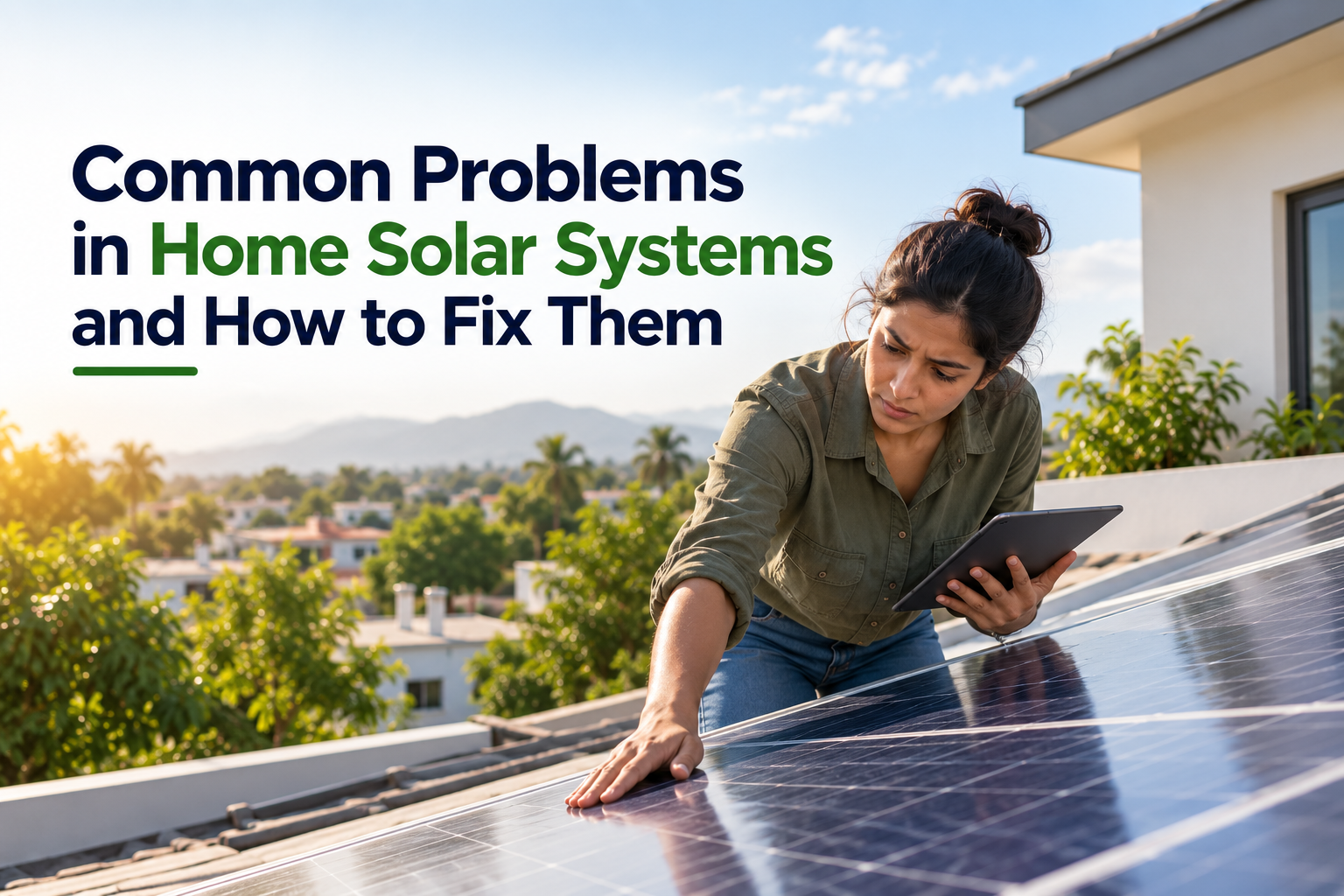
Common Problems in Home Solar Systems and How to Fix Them
Solar energy can significantly reduce household electricity costs, but like any electrical system, a residential solar setup requires proper installation, monitoring, and maintenance to perform reliably. From reduced power generation and dirty panels to inverter errors and loose connections, several common issues can affect a home's solar system.
The good news is that many solar problems can be identified early through regular monitoring and maintenance. Understanding the warning signs can help homeowners decide whether an issue requires simple maintenance or professional assistance.
Whether you are planning a home solar installation or already have solar panels installed, this guide explains the most common residential solar problems, their possible causes, practical solutions, and when you should contact a professional.
Quick Answer: Common home solar problems include low electricity generation, dirty or shaded panels, inverter errors, damaged modules, wiring faults, power outages, battery charging issues, monitoring failures, overheating, and moisture intrusion. Simple issues such as surface dirt may be addressed through appropriate maintenance, while electrical faults, damaged panels, inverter problems, wiring issues, and battery faults should be assessed by qualified solar professionals.
What Are the Most Common Problems in Home Solar Systems?
Residential solar systems can experience performance, electrical, equipment, and monitoring issues over time. The most common problems include reduced power generation, dirty or shaded panels, inverter errors, damaged modules, wiring faults, power outages, battery issues, monitoring failures, overheating, and moisture intrusion.
The table below summarizes these problems, their potential causes, and the recommended first step for addressing them.
| Solar Problem | Common Cause | Recommended Action |
|---|---|---|
| Low power generation | Dust, shading, weather, equipment or electrical faults | Check monitoring data and investigate the cause |
| Dirty solar panels | Dust, bird droppings, leaves or other debris | Clean according to the manufacturer's recommendations |
| Shading | Trees, buildings or other obstructions | Identify the affected area and reduce shading where possible |
| Inverter errors | Grid conditions, overheating, connection or equipment faults | Record the error code and consult the manufacturer's guidance |
| Cracked or damaged panels | Severe weather, falling objects or physical damage | Arrange a professional assessment and replacement if necessary |
| Wiring problems | Loose, damaged or corroded connections | Have the electrical system inspected by a qualified professional |
| No solar power during a grid outage | Grid-connected inverter safety shutdown | Check whether the system has compatible backup capability |
| Battery not charging | Settings, insufficient generation, temperature, faults or degradation | Check battery warnings and arrange professional service if needed |
| Monitoring not updating | Internet, communication or monitoring-device issues | Check connectivity and monitoring-system status |
| Solar equipment overheating | High temperatures, blocked ventilation or installation issues | Check equipment ventilation and operating conditions |
| Water or moisture intrusion | Damaged seals, physical damage or installation issues | Avoid affected equipment and arrange a professional inspection |
1. Solar Panels Are Producing Less Electricity
One of the first signs of a solar system problem is a noticeable drop in electricity generation.
Solar panels naturally produce different amounts of electricity depending on sunlight, weather, panel orientation, system size, and seasonal conditions. However, a sudden or unexplained reduction in output may indicate an underlying problem.
Possible Causes
Reduced generation can result from:
- Dust and dirt accumulation
- New shading from trees or buildings
- Damaged panels
- Loose wiring
- Inverter problems
- Incorrect system configuration
- Partial panel failure
- Faulty connectors
- Changes in weather conditions
How to Fix It
Start by checking your solar monitoring app or inverter display to determine whether generation has decreased significantly compared with normal performance.
If the panels are visibly dirty, professional cleaning may help restore performance.
If cleaning or basic visual checks do not resolve the reduction in generation, the system should be professionally inspected for electrical, inverter, wiring, or panel faults.
Read more: How to Clean Solar Panels at Home Safely?
2. Dirty and Dusty Solar Panels
Dust is a particularly important consideration for homes in dry and dusty regions. Dirt, bird droppings, pollen, leaves, and other debris can accumulate on the panel surface and reduce the amount of sunlight reaching the photovoltaic cells.
This can gradually affect energy production.
How to Fix Dirty Solar Panels
Regular inspection and cleaning can help maintain solar panel performance.
For light dust accumulation, rainfall may provide some natural cleaning. However, areas with limited rainfall or high levels of dust may require periodic professional cleaning.
When cleaning solar panels, follow the manufacturer's recommendations, avoid abrasive materials and harsh chemicals, and never walk on the panels. If the panels are difficult or unsafe to access, consider professional solar panel maintenance services.
The ideal cleaning frequency depends on local environmental conditions rather than a single fixed schedule.
3. Shading Is Reducing Solar Power Generation
Solar panels need adequate sunlight to generate electricity efficiently. Even partial shading from trees, nearby buildings, water tanks, antennas, or other structures can affect production.
Shading can become a problem even after a system has been operating normally. For example, a tree may grow enough over several years to cast shadows on the panels.
How to Fix Shading Problems
First, identify when the shading occurs and which panels are affected.
Possible solutions include:
- Trimming or relocating vegetation where permitted
- Removing unnecessary obstructions
- Reassessing panel placement
- Using suitable module-level power electronics where appropriate
- Reconfiguring the system during professional upgrades
During a new solar installation, a professional site assessment should consider current and potential future shading.
4. Solar Inverter Shows an Error
The inverter is one of the most important components of a residential solar system. It converts the electricity generated by solar panels into usable AC electricity for the home.
If the inverter displays an error code, stops operating, or repeatedly shuts down, solar generation may be affected.
Common Causes of Inverter Problems
Possible causes include:
- Grid voltage fluctuations
- Overheating
- Electrical faults
- DC or AC connection problems
- Internal inverter faults
- Communication problems
- Incorrect configuration
- Protection shutdowns
How to Fix an Inverter Problem
Check the inverter's display or monitoring application for the specific error code and refer to the manufacturer's documentation.
Some temporary shutdowns can occur because of grid conditions and may clear automatically. However, repeated faults should not be ignored.
If the error persists or repeatedly returns, contact a qualified solar technician or solar repair company for diagnosis. Do not attempt internal inverter repairs.
5. Solar Panels Are Cracked or Physically Damaged
Solar panels are designed to withstand outdoor conditions, but they can still be damaged by severe weather, falling objects, improper handling, or installation mistakes.
Visible cracks, broken glass, damaged frames, or unusual hot spots should be treated seriously.
What Should You Do?
If a panel appears cracked or physically damaged, inspect it only from a safe location and check whether system production has changed. The affected module should be professionally assessed and replaced if it is confirmed to be defective or unsafe.
A damaged panel can create electrical and safety risks, so professional assessment is important.
6. Loose or Damaged Wiring and Connectors
Solar systems use multiple electrical connections between panels, inverters, protection devices, and the home's electrical system.
Loose connections, damaged cables, incorrect termination, corrosion, or connector problems can cause performance issues and, in some circumstances, create safety hazards.
Warning Signs
Watch for:
- Unexpected drops in generation
- Inverter fault messages
- Visible cable damage
- Burn marks
- Unusual smells
- Repeated system shutdowns
- Signs of moisture around electrical equipment
How to Fix Wiring Problems
Electrical connections should be inspected and tested by a qualified professional. A technician can check cable condition, connectors, voltage, current, insulation, protective devices, and other relevant components.
7. Solar System Is Not Generating During a Power Cut
A common misconception is that every solar system will continue powering a home during a grid outage.
In many standard grid-connected systems, the inverter shuts down when the utility grid goes offline. This is an important safety feature designed to prevent electricity from being fed into the grid while utility workers may be working on it.
How to Get Backup Power
If backup electricity is important to your household, your system may need an appropriate battery storage or backup configuration, depending on the equipment and local electrical requirements.
A qualified solar professional can assess your home's loads and determine whether a hybrid or battery-backed system is appropriate.
8. Solar Battery Is Not Charging Properly
Battery storage systems introduce additional components that can experience performance issues.
A battery may fail to charge as expected because of:
- Incorrect settings
- Insufficient solar generation
- Temperature conditions
- Battery management system warnings
- Communication problems
- Age-related degradation
- Electrical faults
How to Fix Battery Problems
Start by checking the battery and inverter monitoring system for warnings or error codes.
If the battery repeatedly fails to charge, drains unusually quickly, or displays a fault, professional inspection is recommended. Do not open or modify the battery system.
Read more: What is Net Metering?
9. Solar Monitoring App Is Not Updating
Modern solar installations often include monitoring systems that allow homeowners to view energy generation, consumption, and system status.
Sometimes the solar panels are generating electricity normally, but the monitoring application stops updating.
Possible Causes
The issue may be related to:
- Wi-Fi connectivity
- Internet outages
- Monitoring-device communication
- Inverter communication
- Cloud-service connectivity
- App configuration
How to Fix It
Check whether your home internet connection is working and whether the inverter or monitoring device shows any communication errors.
If the system is generating normally but the application is not updating, the issue may be related to monitoring rather than solar generation itself.
If the problem persists, contact your installer or monitoring system provider.
10. Solar System Is Overheating
Solar equipment operates outdoors and can experience high temperatures, particularly during hot weather.
High temperatures can affect the efficiency of photovoltaic modules and may also cause certain electronic components, including inverters, to reduce output or shut down for protection.
How to Prevent Overheating
During installation, ensure that:
- The inverter has adequate ventilation.
- Equipment is installed according to manufacturer requirements.
- Airflow around the inverter is not blocked.
- Electrical equipment is protected from inappropriate environmental exposure.
- Panels and mounting structures are installed correctly.
If an inverter frequently shuts down because of temperature warnings, professional inspection is recommended.
11. Water or Moisture Is Entering the System
Solar panels and electrical equipment are designed for outdoor environments, but improper installation, damaged seals, deteriorated components, or physical damage can allow moisture to enter areas where it should not.
Signs of a Moisture Problem
Look for:
- Water accumulation
- Corrosion
- Discoloration
- Moisture inside equipment
- Repeated electrical faults
- Unexpected inverter shutdowns
If you suspect water has entered electrical equipment, avoid touching exposed wiring or attempting repairs. Follow the manufacturer's safe shutdown procedure where applicable and have the system inspected by a qualified technician.
How to Troubleshoot a Home Solar System Safely
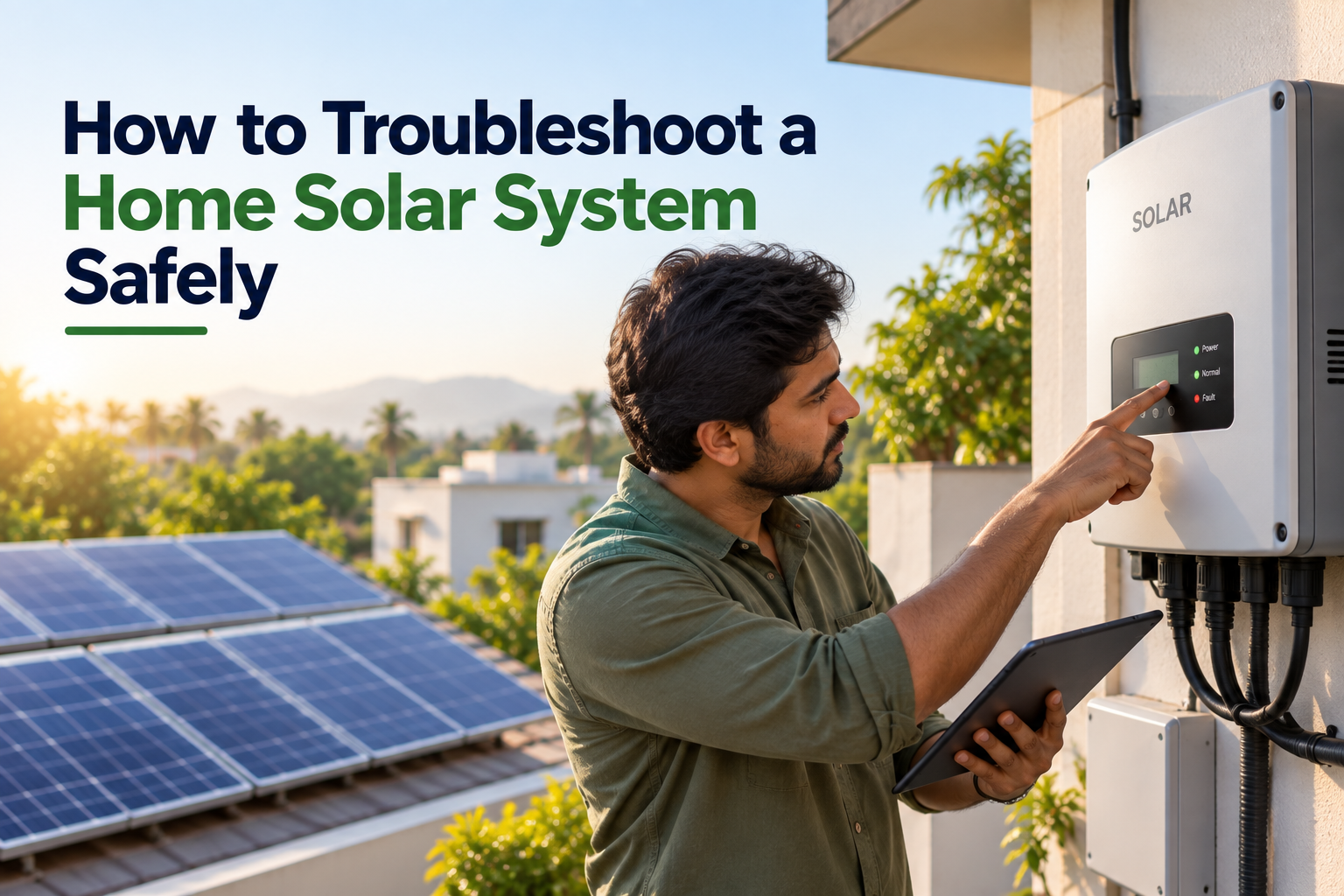
Before calling a technician, homeowners can perform a few basic checks without opening electrical equipment.
Step 1: Check Your Solar Monitoring System
Look at the monitoring application or inverter display.
Check:
- Today's generation
- Recent generation history
- Error messages
- System status
- Communication status
Step 2: Look at the Solar Panels
From a safe location, check whether panels appear unusually dirty, shaded, or visibly damaged.
Do not climb onto the roof unless you are properly equipped and qualified to do so.
Step 3: Check for New Shade
Compare the current surroundings with when the solar system was installed.
Newly grown trees or nearby construction may be affecting sunlight exposure.
Step 4: Check the Inverter Display
If the inverter shows an error, record the exact code or message and check the manufacturer's guidance. Avoid opening the inverter or attempting internal repairs.
Step 5: Contact a Professional When Necessary
If the issue involves wiring, electrical components, inverter faults, batteries, damaged panels, or repeated system failures, professional diagnosis is the safest approach.
Read more: How to Clean Solar Panels at Home Safely?
When Should You Call a Solar Repair Company?
Not every solar issue requires immediate professional service. However, you should contact a qualified solar professional when:
- Your system suddenly stops generating electricity.
- The inverter repeatedly shows error codes.
- You notice damaged panels.
- Cables appear damaged.
- You smell burning or see scorch marks.
- The system repeatedly shuts down.
- Your battery is showing faults.
- Generation remains unusually low after cleaning and basic checks.
- Water appears to have entered electrical equipment.
- You are unsure whether the system is operating safely.
A qualified solar repair company should diagnose the underlying cause before recommending component replacement.
How Regular Solar Panel Maintenance Can Prevent Problems
Preventive maintenance is often more effective than waiting for a system failure.
A professional maintenance program may include:
- Visual inspection of solar modules
- Checking mounting structures
- Inspecting electrical connections
- Reviewing inverter performance
- Checking system monitoring
- Identifying shading changes
- Cleaning panels when necessary
- Checking for visible damage
- Reviewing generation trends
- Inspecting relevant protection equipment
The exact maintenance requirements depend on the equipment, installation design, environment, and manufacturer's recommendations.
For homeowners, solar panel maintenance services can be particularly useful when panels are difficult to access or when the system has multiple components that require professional inspection.
Read more: How Can Solar Reduce Business Electricity Bills?
How to Choose the Right Solar Installation and Maintenance Company
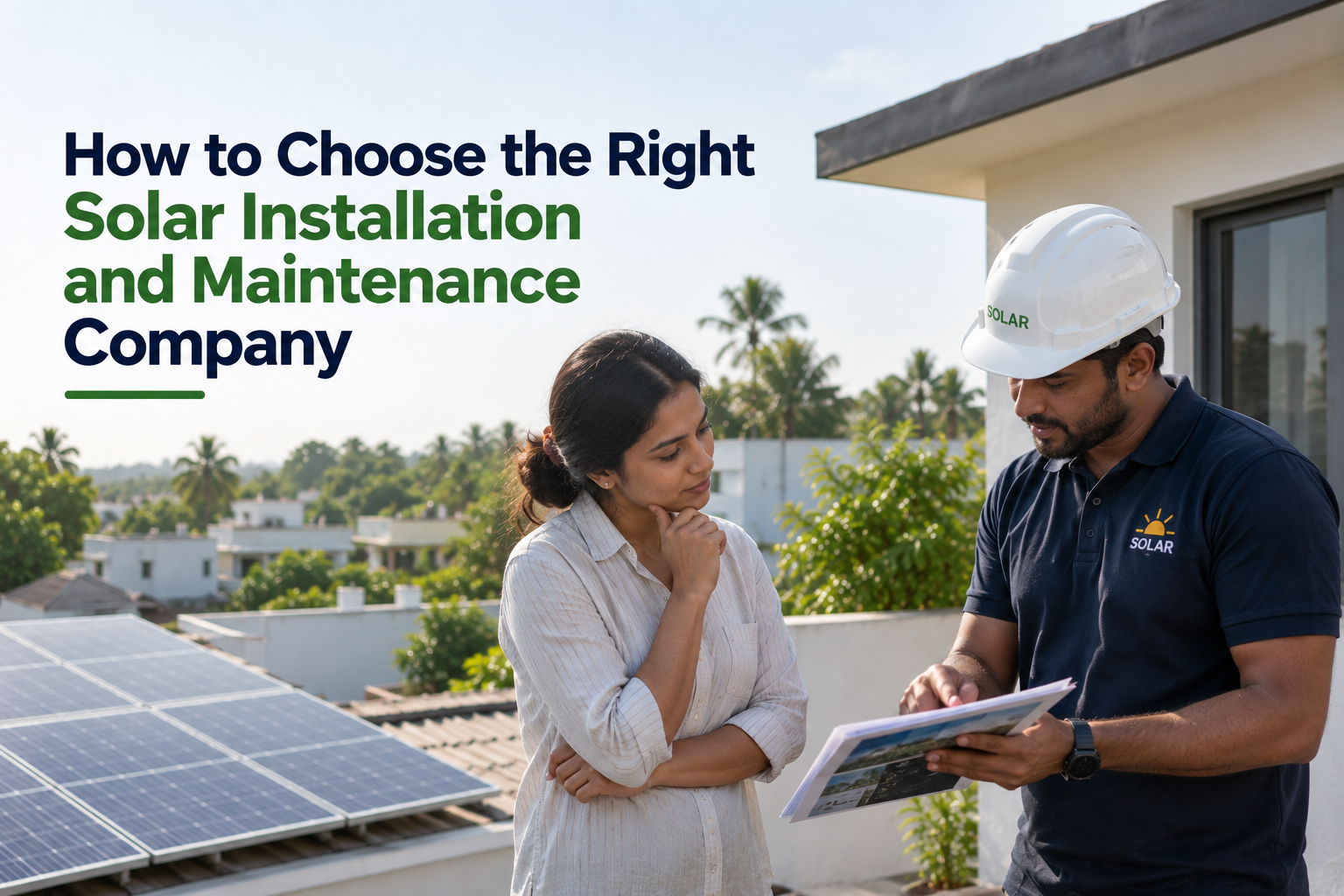
The quality of the original installation has a major impact on long-term solar system performance.
When choosing a solar company, consider:
- Experience: Look for a provider with demonstrated experience in residential solar projects.
- Installation Quality: Ask about the equipment, mounting system, electrical protection, wiring practices, and commissioning process.
- Warranty Support: Understand the difference between product warranties and installation or workmanship warranties.
- After-Sales Service: A solar provider should ideally offer support after installation rather than only completing the initial project.
- Monitoring and Maintenance: Ask whether the company provides system monitoring, inspections, cleaning, troubleshooting, and repair support.
- Transparent Communication: A professional company should explain the issue, recommended solution, and applicable costs clearly.
Why Professional Solar Installation Matters
A properly designed and installed residential solar system can help reduce problems related to system sizing, wiring, equipment configuration, shading, ventilation, and commissioning. The quality of the initial installation can have a direct impact on system performance, reliability, and long-term maintenance requirements.
Before a home solar installation, a professional installer should evaluate the home's electricity consumption, available roof space, roof condition, solar exposure, shading, electrical infrastructure, equipment compatibility, and applicable installation requirements.
The installation process should also include appropriate system configuration, electrical connections, safety checks, testing, and commissioning. Proper documentation and guidance on system monitoring, maintenance, and warranty coverage can help homeowners understand how their solar system should operate.
Choosing an experienced solar installation company can therefore help homeowners identify potential issues before installation and ensure that the system is designed and commissioned according to the property's requirements.
Can Solar Panels Be Repaired?
Some solar system components can be repaired, depending on the type and severity of the problem. Connections, monitoring equipment, and certain inverter-related issues may be serviceable, while physically damaged solar modules may require replacement. A professional diagnosis can determine whether repair or replacement is the appropriate solution.
Does Solar System Age Affect Performance?
Solar panels are long-term energy assets, but individual components have different expected service lives and warranties.
Panel performance generally declines gradually over time rather than stopping suddenly. Inverters, batteries, monitoring equipment, and other components may have different replacement timelines.
Regular inspection and timely maintenance can help homeowners identify problems before they become larger system failures.
Read more: How to Choose the Right Size Solar System for Your Home in India?
Solar Maintenance Checklist for Homeowners
Use this simple checklist to keep track of your residential solar system:
| Check | What to Look For |
|---|---|
| Solar generation | Unexpected drops in output |
| Panels | Dust, dirt, debris, or visible damage |
| Shading | New trees or nearby obstructions |
| Inverter | Error codes or repeated shutdowns |
| Wiring | Visible damage or deterioration |
| Monitoring | Missing or incorrect data |
| Battery | Charging or fault warnings |
| Mounting | Visible movement or damage |
| Electrical equipment | Moisture, corrosion or unusual signs |
Conclusion
A residential solar system can provide reliable, clean energy for years when it is properly designed, installed, monitored, and maintained. However, problems such as reduced power generation, dirty or shaded panels, inverter errors, damaged modules, wiring faults, battery issues, and monitoring failures can affect system performance.
Identifying unusual changes early can help prevent minor issues from becoming more serious and costly. Homeowners can monitor system performance and perform basic visual checks, while electrical faults, inverter problems, battery issues, damaged wiring, and other technical concerns should be handled by qualified solar professionals.
For homeowners planning a new home solar installation, choosing an experienced solar provider can help ensure proper system sizing, equipment selection, installation, testing, and commissioning. For existing systems, regular solar panel maintenance services can help identify potential performance and equipment issues, while a qualified solar repair company can diagnose faults and recommend the appropriate repair or replacement.
If you are planning to install solar panels for your home, explore Evergreen Power Solar's residential solar solutions to learn how a professionally designed and installed system can be planned around your home's energy requirements.
Frequently Asked Questions
1. What is the most common problem with home solar systems?
Common problems include reduced electricity generation, dirty or shaded panels, inverter errors, damaged panels, wiring issues, monitoring failures, battery problems, and overheating.
2. Why is my solar system producing less electricity?
Reduced solar generation can be caused by dust, shading, weather conditions, damaged panels, inverter faults, wiring problems, or other equipment issues. Comparing current output with historical performance can help identify unusual changes.
3. How often should solar panels be cleaned?
There is no universal cleaning schedule. Cleaning frequency depends on factors such as local dust, rainfall, pollen, bird activity, and surrounding conditions. Panels should be inspected periodically and cleaned when dirt or debris begins affecting performance.
4. What should I do if my solar inverter shows an error?
Record the error code or message and check the manufacturer's troubleshooting guidance. If the error persists or repeatedly returns, contact your installer or a qualified solar technician. Do not attempt to open or repair the inverter yourself.
5. Can shading affect solar panel performance?
Yes. Shading from trees, buildings, water tanks, antennas, or other structures can reduce the amount of sunlight reaching the panels and lower system output. New shading should be identified and addressed where possible.
6. Can cracked solar panels be repaired?
A cracked or physically damaged solar panel should be professionally assessed. Depending on the type and severity of the damage, the affected module may need to be replaced rather than repaired. DIY repairs should be avoided.
7. Why does my solar system stop working during a power outage?
Many standard grid-connected solar systems automatically shut down during a grid outage as a safety measure. A solar system needs compatible battery storage and backup equipment to continue supplying selected loads during an outage.
8. Do solar panels require regular maintenance?
Solar panels generally require relatively little maintenance, but periodic inspection and cleaning can help maintain performance. Other components, including inverters, wiring, mounting structures, batteries, and monitoring equipment, may also require professional checks.
9. When should I hire a solar repair company?
You should contact a qualified solar repair company when your system repeatedly shuts down, shows persistent inverter errors, produces significantly less electricity, has damaged panels or wiring, develops battery faults, or shows other electrical or safety-related problems.
10. How can I prevent common solar system problems?
Choose quality equipment and an experienced installer, monitor system performance regularly, keep panels appropriately clean, watch for new shading, respond to inverter warnings, maintain proper equipment ventilation, and arrange professional inspections when necessary.